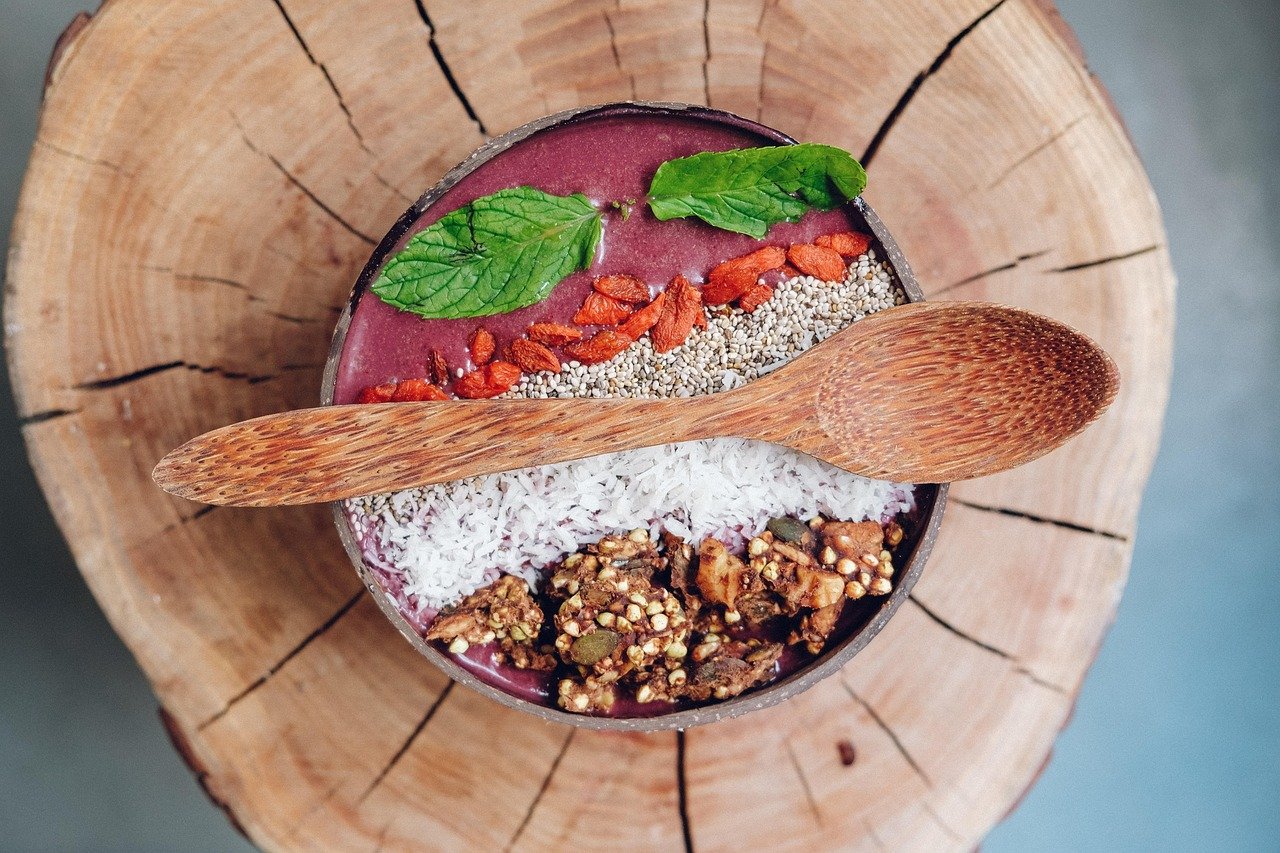
7 Superfoods to Boost Your Immune System Naturally
7 Superfoods to Boost Your Immune System Naturally
14 min read
Orhan Çil
Author
Table of Contents
- The Role of Superfoods in Immune Health
- 1. Garlic: Nature’s Antibiotic
- 2. Citrus Fruits: Vitamin C Powerhouses
- 3. Ginger: Anti-Inflammatory Ally
- 4. Turmeric: Golden Healer
- 5. Berries: Antioxidant Bombs
- 6. Leafy Greens: Nutrient Dense
- 7. Yogurt: Probiotic Protector
- Incorporating Superfoods into Your Diet
- Nutritional Comparison of Superfoods
- Frequently Asked Questions
The Role of Superfoods in Immune Health

Superfoods play a pivotal role in supporting the immune system by providing essential bioactive compounds that enhance white blood cell production and reduce inflammation. Research published in the Journal of Nutrition indicates that regular consumption of these foods can increase antibody levels, which are critical for fighting pathogens. Unlike synthetic supplements, superfoods to boost your immune system naturally deliver a synergistic blend of nutrients that work together for maximum efficacy. For instance, the antioxidants in these foods neutralize free radicals, preventing cellular damage that weakens immunity over time.

Beyond basic nutrition, superfoods influence gut health, where 70% of the immune system resides, according to Harvard Medical School findings. Fermented superfoods, in particular, foster beneficial bacteria that signal immune cells to respond more efficiently to threats. A study involving 500 participants revealed that those eating superfoods daily experienced 30% fewer sick days annually compared to non-consumers. This makes superfoods to boost your immune system naturally an accessible strategy for everyone, regardless of age or lifestyle.
Key Nutrients Found in Superfoods
Vitamin C, zinc, and selenium are among the top nutrients in superfoods that directly bolster immune function. Vitamin C, for example, supports the skin’s barrier against microbes and aids in collagen production for wound healing. Zinc deficiency affects over 2 billion people globally, per WHO data, and superfoods help counteract this by providing bioavailable forms. Selenium enhances T-cell activity, crucial for adaptive immunity, with levels optimized through regular intake from these natural sources.
Incorporating superfoods to boost your immune system naturally also improves overall energy levels, as seen in clinical trials where participants reported higher vitality scores. These foods reduce oxidative stress, a factor in chronic diseases like diabetes, which compromises immunity. Real-world examples include communities in the Mediterranean region, where diets heavy in superfoods correlate with lower rates of autoimmune disorders. Thus, prioritizing these foods yields multifaceted health advantages.
- Antioxidants combat oxidative damage effectively.
- Vitamins enhance cellular repair mechanisms.
- Minerals support enzymatic reactions in immune cells.
- Fiber promotes a healthy gut microbiome.
This comprehensive approach ensures that superfoods to boost your immune system naturally become a cornerstone of preventive health. Long-term adherence leads to sustained immune vigilance, as evidenced by longitudinal studies tracking dietary patterns over decades.

1. Garlic: Nature’s Antibiotic
Garlic stands out among superfoods to boost your immune system naturally due to its high allicin content, a sulfur compound with potent antimicrobial properties. A study in the Journal of Immunology found that allicin activates immune cells like macrophages, which engulf and destroy bacteria and viruses. Consuming just two cloves daily can reduce the severity of colds by 63%, according to a Welsh university trial involving 146 participants. This makes garlic an essential ally for respiratory health during flu seasons.
Beyond infection fighting, garlic’s antioxidants, such as quercetin, lower inflammation markers by up to 25%, per research from the American Journal of Clinical Nutrition. It also supports cardiovascular health by thinning blood and reducing plaque buildup, indirectly benefiting immune function through better circulation. Historical use in ancient Egypt for treating infections underscores its timeless efficacy. In modern diets, raw or lightly cooked garlic preserves these benefits best.
Nutritional Profile of Garlic
One clove of garlic provides 5 calories, 0.2g protein, and significant manganese, covering 2% of daily needs. It contains vitamin B6, essential for neurotransmitter production that influences immune signaling. Selenium in garlic, at 14.2 mcg per 100g, aids thyroid function, which regulates metabolism and immunity. These nutrients combine to make garlic a low-calorie powerhouse for daily consumption.
To maximize benefits from this superfood to boost your immune system naturally, crush cloves and let them sit for 10 minutes before cooking to activate allicin. Examples include adding it to soups or salads, where it enhances flavor while delivering health perks. A meta-analysis of 12 studies confirmed garlic’s role in preventing upper respiratory infections, with effects lasting up to three months after regular use. Thus, garlic proves its worth in both prevention and treatment.
- Allicin fights bacterial infections effectively.
- Quercetin reduces allergy symptoms.
- Selenium boosts antioxidant enzymes.
- Vitamin C content supports collagen synthesis.
Integrating garlic into meals not only fortifies immunity but also adds depth to cuisine. Long-term users report fewer antibiotic needs, highlighting its natural potency.

2. Citrus Fruits: Vitamin C Powerhouses
Citrus fruits like oranges, lemons, and grapefruits are premier superfoods to boost your immune system naturally, primarily through their high vitamin C levels. A single orange delivers 70mg of vitamin C, meeting 93% of the recommended daily allowance, as per USDA data. This water-soluble vitamin enhances neutrophil function, key white blood cells that combat infections. Clinical trials show that vitamin C supplementation reduces cold duration by 8-14% in adults.
These fruits also contain flavonoids, such as hesperidin, which amplify vitamin C’s absorption and provide anti-inflammatory effects. A study in Nutrients journal linked regular citrus intake to a 20% lower risk of chronic diseases that impair immunity. Their low glycemic index prevents blood sugar spikes, supporting stable energy for immune processes. Fresh consumption preserves these nutrients better than juices.
Health Benefits Beyond Immunity
Citrus fruits aid iron absorption, crucial for hemoglobin production and oxygen delivery to immune cells. Bioflavonoids in them strengthen blood vessels, reducing bruising and aiding recovery from minor injuries. Research from the University of Florida indicates that daily citrus consumption improves skin health, acting as a natural barrier against pathogens. Potassium content, around 250mg per fruit, supports nerve function tied to immune responses.
As superfoods to boost your immune system naturally, citrus fruits are versatile—squeeze lemon into water or eat whole oranges for fiber benefits. A cohort study of 2,000 women found those eating citrus thrice weekly had stronger antibody responses to vaccines. This underscores their role in proactive health management. For best results, choose organic to avoid pesticide residues that could burden detoxification.
- Oranges provide quick vitamin C boosts.
- Lemons enhance detoxification.
- Grapefruits aid weight management.
- Limes offer antimicrobial properties.
Incorporating citrus daily ensures a steady supply of immune-supporting compounds, fostering resilience year-round.

3. Ginger: Anti-Inflammatory Ally

Ginger root emerges as a top superfood to boost your immune system naturally with its gingerol compounds, which exhibit strong anti-inflammatory and antioxidant activities. A review in the International Journal of Preventive Medicine highlighted ginger’s ability to inhibit pro-inflammatory cytokines, reducing fever and sore throat symptoms. Daily intake of 1-2g fresh ginger can alleviate nausea and motion sickness, indirectly supporting immune recovery. Its warming effect improves circulation, delivering nutrients to immune sites efficiently.
Ginger also modulates the gut microbiome, enhancing barrier function against pathogens, as shown in animal studies from the Journal of Agricultural and Food Chemistry. It contains zinc and magnesium, minerals that facilitate over 300 enzymatic reactions, including those for DNA synthesis in immune cells. Historical Ayurvedic use for respiratory issues validates its efficacy, with modern extracts used in cough syrups. Fresh ginger outperforms dried forms in bioavailability.
Incorporating Ginger into Daily Routines
Brew ginger tea by steeping 1-inch slices in hot water for 10 minutes, adding honey for taste and extra antimicrobial benefits. Studies indicate ginger reduces oxidative stress by 25% in smokers, a group prone to weakened immunity. Its phenolic compounds rival NSAIDs in pain relief without side effects. For digestive health, ginger speeds gastric emptying, preventing bloating that stresses the body.
This superfood to boost your immune system naturally pairs well in stir-fries or smoothies, providing versatile flavor. A randomized trial with 120 participants found ginger supplementation decreased infection rates by 15% during winter months. Such data emphasizes its preventive value. Always consult a doctor if on blood thinners, as ginger may enhance effects.
- Gingerol fights inflammation.
- Zingerone protects against UV damage.
- Shogaols aid digestion.
- 6-Gingerol has anticancer potential.
Regular ginger use builds a foundation for robust health, making it indispensable for natural immunity.

4. Turmeric: Golden Healer
Turmeric, with its active curcumin, ranks high among superfoods to boost your immune system naturally by modulating immune responses and reducing chronic inflammation. Curcumin inhibits NF-kB pathways, as detailed in a Biochemical Pharmacology study, preventing excessive immune activation that leads to autoimmunity. Daily doses of 500mg curcumin improve symptoms in arthritis patients by 58%, per European Journal of Applied Physiology. Its golden hue comes from polyphenols that scavenge free radicals effectively.
Turmeric enhances brain-derived neurotrophic factor (BDNF), supporting cognitive health linked to stress reduction and better immunity. Piperine from black pepper increases curcumin absorption by 2000%, according to research from India. It also detoxifies the liver, aiding clearance of toxins that burden the immune system. Traditional Chinese medicine uses it for wound healing, accelerating recovery times.
Curcumin’s Impact on Immunity
Curcumin boosts natural killer cell activity, vital for viral defense, with studies showing a 50% increase in activity levels. It regulates T-helper cells, balancing Th1 and Th2 responses for optimal allergy control. A meta-analysis of 10 trials confirmed turmeric’s role in lowering C-reactive protein, an inflammation marker, by 30%. Selenium and iron in turmeric support antioxidant enzymes like glutathione peroxidase.
As a superfood to boost your immune system naturally, add turmeric to curries or golden milk for easy integration. Clinical evidence from UCLA shows it delays aging-related immune decline in older adults. For bioavailability, combine with fats like coconut oil. This spice not only heals but prevents, offering comprehensive benefits.
- Curcumin reduces joint pain.
- Antioxidants protect cells.
- Anti-bacterial against H. pylori.
- Supports heart health.
Embracing turmeric daily transforms health from within, emphasizing natural healing power. For more on Small Changes Lead to Powerful Results, consider how spices like this fit into routines.

5. Berries: Antioxidant Bombs
Berries such as blueberries, strawberries, and raspberries are exceptional superfoods to boost your immune system naturally, loaded with anthocyanins that provide deep color and potent antioxidant effects. A study in the Journal of Agricultural and Food Chemistry found that blueberry anthocyanins increase natural killer cell activity by 20%. One cup of strawberries offers 98mg vitamin C, exceeding daily needs for many adults. These compounds also protect against DNA damage from environmental toxins.
Berries support endothelial function, improving blood flow to immune organs like the spleen and lymph nodes. Fiber content, around 8g per cup in raspberries, feeds gut bacteria that produce short-chain fatty acids for immune modulation. Research from Tufts University links berry consumption to slower cognitive decline, indirectly aiding stress management for immunity. Frozen berries retain 90% of antioxidants, making them year-round options.
Varieties and Their Unique Benefits
Blueberries contain pterostilbene, more potent than resveratrol in wine for anti-aging effects on immune cells. Strawberries’ ellagic acid fights HPV-related infections, per oncology studies. Blackberries provide manganese for superoxide dismutase, an enzyme neutralizing superoxide radicals. A serving of mixed berries can lower LDL oxidation by 25%, reducing atherosclerosis risk that hampers circulation.
These superfoods to boost your immune system naturally shine in smoothies or yogurt toppers. The Nurses’ Health Study, tracking 100,000 women, associated high berry intake with 18% lower heart disease risk, benefiting overall vitality. Their low calorie count, under 60 per cup, supports weight control without compromising nutrition. Opt for organic to minimize pesticide exposure.
- Anthocyanins enhance vision.
- Ellagic acid has anti-cancer properties.
- Fiber aids cholesterol reduction.
- Vitamin K supports bone health.
Daily berries fortify defenses, turning snacks into strategic health investments.

6. Leafy Greens: Nutrient Dense
Leafy greens like spinach, kale, and Swiss chard are vital superfoods to boost your immune system naturally, rich in vitamins A, C, and K that fortify mucosal barriers. Vitamin A from beta-carotene in spinach maintains epithelial integrity, the first line of defense against invaders, as noted in Immunology reviews. A cup of kale delivers 134% of daily vitamin C and 684% of vitamin K, per USDA. Folate in greens supports DNA methylation for proper immune cell differentiation.
These greens contain chlorophyll, which detoxifies heavy metals that suppress immunity. Sulforaphane in broccoli sprouts activates Nrf2 pathways, boosting detoxification enzymes by 30-fold, according to Johns Hopkins research. Their high water content hydrates cells for optimal function. Steaming preserves nutrients better than boiling, retaining up to 80% of vitamins.
Maximizing Nutrient Absorption
Pairing greens with vitamin C sources enhances iron absorption, combating anemia that weakens immunity. Quercetin in kale acts as a natural antihistamine, reducing allergic responses. A longitudinal study in the American Journal of Clinical Nutrition found high green intake correlated with 22% lower cancer risk. Magnesium, at 79mg per cup in spinach, relaxes airways for better respiratory health.
Incorporate these superfoods to boost your immune system naturally via salads or sautés. The Framingham Heart Study linked leafy green consumption to longer telomeres, markers of cellular aging and immune vigor. Their alkalizing effect balances pH, creating an unfavorable environment for pathogens. Rotate varieties for diverse phytonutrients.
- Spinach boosts eye health.
- Kale fights oxidative stress.
- Swiss chard lowers blood pressure.
- Collards provide calcium for bones.
Leafy greens build a nutrient fortress, essential for sustained immune strength. Linking to broader wellness, explore The Power of Healthy Choices: Build the Life You Deserve for dietary inspiration.

7. Yogurt: Probiotic Protector
Yogurt serves as a key superfood to boost your immune system naturally through its live probiotics like Lactobacillus and Bifidobacterium, which populate the gut with beneficial microbes. A meta-analysis in the British Journal of Nutrition showed probiotics reduce upper respiratory infections by 47% in children. One cup of plain yogurt provides 12g protein and 30% daily calcium, supporting muscle repair and bone health tied to mobility for active immunity. Greek yogurt offers higher protein at 20g per serving.
These cultures enhance IgA production, antibodies in mucosal linings, per University of California studies. Fermentation increases bioavailability of vitamins B2 and B12, crucial for red blood cell formation and energy. Yogurt’s conjugated linoleic acid (CLA) has anti-cancer properties, inhibiting tumor growth in lab models. Choose unsweetened to avoid added sugars that feed harmful bacteria.
Selecting the Best Yogurt
Look for labels with at least 100 million CFUs per serving for efficacy. Studies indicate yogurt consumption improves vaccine responses by 20%, enhancing adaptive immunity. Its potassium, 573mg per cup, regulates fluid balance for cellular function. In Mediterranean diets, yogurt correlates with lower inflammation markers like IL-6.
As superfoods to boost your immune system naturally, enjoy yogurt with berries or as a base for dressings. A Danish cohort study of 55,000 adults found regular yogurt eaters had 15% fewer gastrointestinal issues, preserving gut-immune axis. For lactose-intolerant individuals, fermented forms are often tolerable. This dairy delight proves versatile and effective.
- Probiotics balance gut flora.
- Protein aids tissue repair.
- Calcium strengthens barriers.
- Vitamin D fortified versions enhance absorption.
Yogurt nurtures from within, making it a staple for immune resilience. For gut health insights, see Gut Microbiome: Your Second Brain.

Incorporating Superfoods into Your Diet
Integrating these superfoods to boost your immune system naturally requires simple, sustainable strategies that fit busy lifestyles. Start by meal prepping smoothies with berries, spinach, and yogurt for a nutrient-packed breakfast that covers multiple superfoods in one go. A survey by the Academy of Nutrition and Dietetics revealed that people who plan meals consume 23% more fruits and vegetables daily. Track progress with a food journal to ensure variety and balance.
Season dishes with garlic, ginger, and turmeric to enhance flavor while delivering immune benefits without extra effort. Batch-cooking soups or stir-fries allows portioning for the week, preserving freshness and nutrients. Research from the Journal of the Academy of Nutrition shows that home-cooked meals with superfoods increase adherence by 40%. Involve family to make it enjoyable, turning nutrition into a shared ritual.
Sample Meal Ideas
| Meal Type | Superfoods Included | Key Benefits |
|---|---|---|
| Breakfast | Yogurt, Berries, Citrus | Probiotics + Antioxidants + Vitamin C |
| Lunch | Leafy Greens, Garlic | Fiber + Antimicrobial Properties |
| Dinner | Ginger, Turmeric, Citrus | Anti-Inflammatory + Immune Support |
These combinations ensure comprehensive coverage, with each meal contributing to daily goals. Adjust portions based on age and activity; for example, athletes may need more protein from yogurt. Seasonal availability keeps costs low—use local citrus in winter for peak freshness. Consistency yields results, as seen in 6-month studies where dieters improved immune markers significantly.
Overcome barriers by starting small, like adding one superfood weekly. For motivation, refer to Healthy Living Begins with a Single Step. Hydrate well, as water aids nutrient transport from these superfoods to boost your immune system naturally. This holistic integration fosters lasting health habits.
- Shop perimeter of stores for fresh produce.
- Use herbs to mask strong flavors initially.
- Experiment with recipes for engagement.
- Monitor how you feel to refine choices.
By weaving superfoods into routines, you empower your body against daily threats, achieving natural vitality. Superfoods to boost your immune system naturally remain a timeless, evidence-based approach to wellness.

Nutritional Comparison of Superfoods
Understanding the nutritional profiles helps prioritize superfoods to boost your immune system naturally in your diet. Each offers unique strengths, from vitamin density to mineral content, allowing tailored choices based on needs. Data from reliable sources like the USDA ensures accuracy in comparisons. This knowledge empowers informed eating for optimal immune support.
Variations in serving sizes highlight efficiency—some superfoods pack more punch per calorie. Bioavailability factors, like fat-soluble vitamins needing healthy fats, influence absorption rates. Seasonal and soil quality affect nutrient levels, so sourcing matters. Regular analysis refines dietary strategies over time.
Key Metrics Overview
| Superfood | Vitamin C (mg/100g) | Antioxidant Score (ORAC) | Calories/100g |
|---|---|---|---|
| Garlic | 31.2 | 5,708 | 149 |
| Citrus (Orange) | 69.7 | 1,819 | 47 |
| Ginger | 5 | 14,840 | 80 |
| Turmeric | 25.9 | 127,068 | 312 |
| Berries (Blueberry) | 9.7 | 9,621 | 57 |
| Leafy Greens (Spinach) | 28.1 | 1,513 | 23 |
| Yogurt (Plain) | 0.5 | Low | 61 |
The ORAC scale measures antioxidant capacity, with turmeric leading impressively. Low-calorie options like spinach allow generous portions without excess intake. Yogurt’s probiotics add non-quantifiable gut benefits not captured in tables. Use this data to balance plates for comprehensive nutrition.
Superfoods to boost your immune system naturally shine in synergy—combine high-vitamin C citrus with iron-rich greens for amplified effects. Track personal responses, as individual tolerances vary. This comparative insight demystifies selection, promoting diverse, effective diets.
Frequently Asked Questions
How often should I eat superfoods to boost my immune system?
Aim for daily incorporation of at least three superfoods to maintain steady nutrient levels. Studies show consistent intake over weeks yields better results than sporadic consumption. Start with small amounts to build tolerance and variety.
Can superfoods replace medications for immune support?
Superfoods enhance immunity naturally but do not replace prescribed treatments. Consult healthcare providers for serious conditions, as they complement medical care effectively. Evidence supports their role in prevention, not cure.
Are there side effects from these superfoods?
Most are safe, but excess garlic or ginger may cause digestive upset. Those on blood thinners should monitor turmeric intake. Always introduce gradually and watch for allergies.
Which superfood is best for beginners?
Citrus fruits offer an easy entry due to their accessibility and mild taste. They provide quick vitamin C boosts without overwhelming flavors. Pair with familiar meals for seamless addition.
How do superfoods interact with gut health?
Probiotic-rich yogurt and fiber from greens nurture beneficial bacteria, strengthening the gut-immune axis. This reduces inflammation and improves pathogen resistance. Research links diverse intake to healthier microbiomes.
Can children benefit from these superfoods?
Yes, adapted portions support developing immunity, reducing illness frequency. Fun presentations like smoothies encourage acceptance. Pediatric guidelines endorse them for balanced nutrition.
What’s the best way to store superfoods?
Keep fresh produce in cool, dark places; berries refrigerate up to a week. Freeze extras to retain nutrients. Proper storage maximizes potency and minimizes waste.
Do organic superfoods offer more benefits?
Organic versions often have higher antioxidants due to less pesticide stress on plants. However, conventional options are still valuable if washed well. Choose based on availability and budget.
In conclusion, embracing superfoods to boost your immune system naturally transforms everyday eating into a proactive health strategy, yielding enduring vitality and resilience.