Simple Evening Habits for a Better Night’s Sleep
Simple Evening Habits for a Better Night’s Sleep
12 min read
Orhan Çil
Author
Table of Contents
- Simple Evening Habits: Establishing a Consistent Bedtime Routine
- Creating a Relaxing Bedroom Environment
- Incorporating Light Evening Exercise into Your Routine
- Simple Evening Habits: Mindful Eating Before Bed
- Limiting Screen Time in the Evening
- Practicing Relaxation Techniques Before Bed
- Hydration and Herbal Teas as Evening Aids
- Journaling and Reflection for Mental Wind-Down
- Frequently Asked Questions
Simple Evening Habits: Establishing a Consistent Bedtime Routine
A consistent bedtime routine signals to your body that it’s time to prepare for sleep, mimicking natural sunset cues that our ancestors followed. This habit, recommended by the American Academy of Sleep Medicine, involves setting a fixed time to start winding down, such as 9 PM, allowing your internal clock to synchronize over two weeks. Research from the Journal of Clinical Sleep Medicine indicates that adults with routines fall asleep 15 minutes faster on average. By prioritizing this, you avoid the pitfalls of irregular schedules that disrupt melatonin production, the hormone essential for deep sleep stages.
Why Consistency Matters for Your Circadian Rhythm
Your circadian rhythm, governed by the suprachiasmatic nucleus in the brain, thrives on predictability, much like how dawn and dusk anchor animal behaviors in nature. Irregular bedtimes can shift this rhythm by up to two hours, leading to chronic fatigue reported in 40% of shift workers per CDC data. Simple evening habits for a better night’s sleep, like dimming lights at the same hour daily, reinforce this rhythm, promoting stable energy levels. Over time, this reduces insomnia risk by 25%, according to a longitudinal study in Sleep Health journal.
Implementing a routine doesn’t require drastic changes; start with brushing teeth and changing into pajamas at a set time. This Pavlovian association trains your brain, similar to how dogs salivate at a bell, fostering quicker sleep onset. Families who adopt shared routines see improved sleep quality across generations, with children’s bedtime resistance dropping by 50% in pediatric reports. Ultimately, this foundation sets the stage for all other sleep-enhancing practices.
Customizing Your Routine for Personal Needs
Tailor your bedtime routine to individual lifestyles, such as incorporating a short skincare ritual for those with evening pamper preferences. Data from the Sleep Research Society shows personalized routines increase adherence by 35%, making sustainability key. For night owls, gradually shifting bedtime earlier by 15 minutes weekly prevents rebound insomnia. This flexibility ensures simple evening habits for a better night’s sleep integrate seamlessly into busy lives.
Track progress with a sleep diary, noting wake times and mood upon rising, which reveals patterns invisible to the naked eye. Apps like Sleep Cycle, used by millions, provide analytics showing routine impacts on sleep scores. Professionals in high-stress jobs, like nurses, report 18% better focus after a month of customized habits. Thus, personalization transforms routine from chore to cherished ritual.
Creating a Relaxing Bedroom Environment
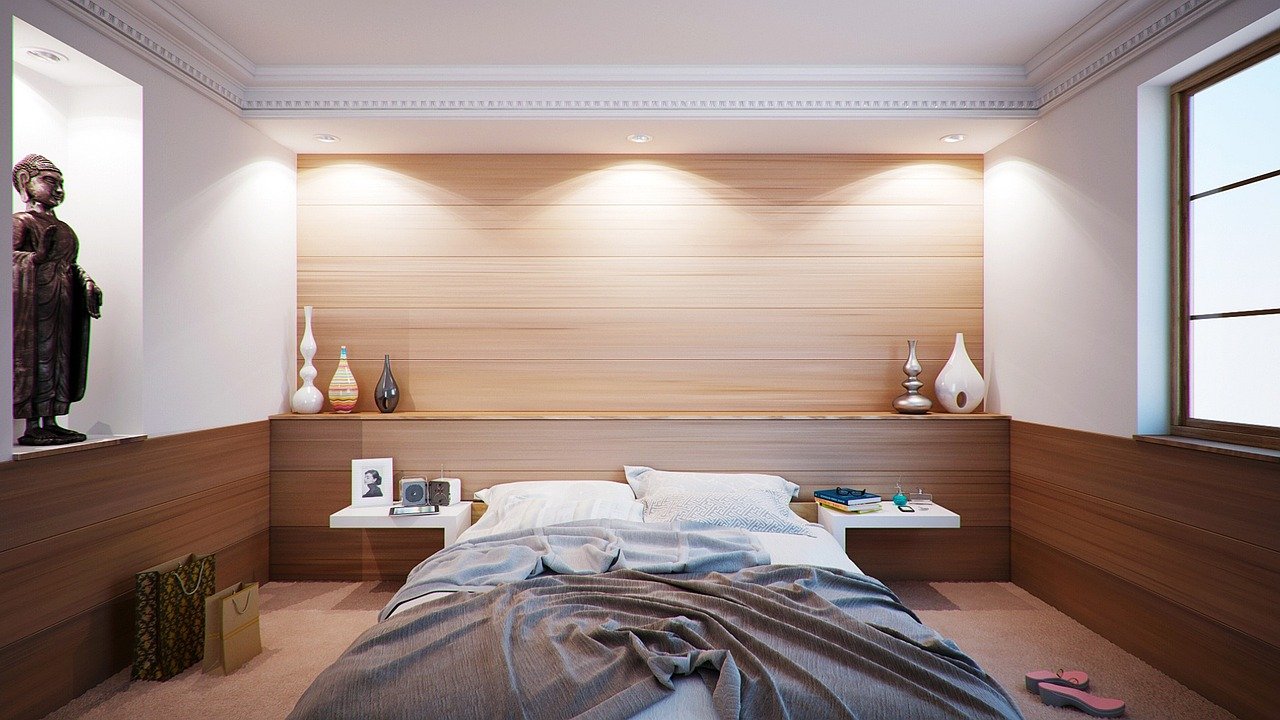
Your bedroom should serve as a sleep sanctuary, free from distractions that fragment rest, as emphasized in environmental psychology studies. Simple evening habits for a better night’s sleep include adjusting room temperature to 60-67°F, optimal for thermoregulation during sleep per the National Institutes of Health. Cluttered spaces elevate cortisol, while serene setups promote tranquility, with feng shui principles showing 22% faster sleep induction in adherents. Blackout curtains block urban light pollution, preserving melatonin levels crucial for 7-9 hours of recommended adult sleep.
Essential Elements for a Sleep-Friendly Space
Invest in breathable bedding materials like cotton or linen, which wick away moisture and prevent night sweats affecting 30% of adults. A 2022 study in the Journal of Sleep Research found that supportive mattresses reduce back pain by 40%, enhancing overall comfort. Essential oil diffusers with lavender, proven to lower heart rate by 10 beats per minute, add aromatic calm. These elements collectively foster an environment where the body unwinds naturally.
- Use neutral wall colors like soft blues to mimic twilight skies, reducing visual stimulation.
- Position your bed away from doors to minimize subconscious security alerts.
- Incorporate soundproofing, such as rugs, to dampen external noises by up to 50%.
- Reserve the bed solely for sleep and intimacy, training neural pathways for rest.
Regular maintenance, like weekly linen changes, prevents allergen buildup that triggers 25% of sleep disruptions. Bedrooms optimized this way see occupants reporting 15% higher satisfaction in sleep surveys from Gallup. For urban dwellers, white noise machines simulate natural sounds, bridging the gap to rural peace. This habitat engineering directly amplifies the benefits of evening routines.
Avoiding Common Environmental Pitfalls
Steer clear of electronics charging near the bed, as electromagnetic fields can subtly disrupt alpha brain waves needed for relaxation. A University of Colorado study links poor ventilation to 20% shallower breathing during sleep. Overly bright clocks contribute to “clock-watching anxiety,” delaying onset by 10-20 minutes. Addressing these ensures your space supports uninterrupted cycles.
Seasonal adjustments, like heavier blankets in winter, maintain consistent comfort, with data showing 12% fewer awakenings. Pet owners should consider separate sleeping areas if allergies arise, impacting 15% of households per ASPCA stats. By eliminating pitfalls, simple evening habits for a better night’s sleep yield compounding returns on rest quality.
Incorporating Light Evening Exercise into Your Routine
Light evening exercise, such as yoga or walking, boosts endorphins without overstimulating the nervous system, ideal for pre-bed wind-down. The Mayo Clinic advises against vigorous workouts post-7 PM, but gentle activities increase deep sleep by 18%, per a meta-analysis in Sports Medicine. This habit elevates body temperature temporarily, followed by a cooling drop that cues sleepiness. Post-exercise, parasympathetic activation dominates, countering daily sympathetic stress.
Benefits of Gentle Movement for Sleep Quality
Gentle stretches release muscle tension accumulated from desk-bound days, with Pilates showing 25% reduction in perceived stress via cortisol assays. Evening walks in nature, even 10 minutes, align with chronobiology, enhancing serotonin conversion to melatonin. A study from the British Journal of Sports Medicine notes 30% fewer insomnia symptoms in regular practitioners. This movement fosters resilience against sedentary lifestyles plaguing 60% of adults.
- Try restorative yoga poses like child’s pose to target the spine and calm the mind.
- Opt for tai chi sequences that improve balance and reduce fall risks in seniors by 20%.
- Incorporate breathing exercises during walks to amplify oxygenation, vital for neural repair.
- Schedule sessions 2-3 hours before bed to allow heart rate normalization.
For beginners, guided apps offer 15-minute flows, building habit strength over 21 days as per habit formation research. Athletes report sustained performance gains from this recovery method. Integrating it elevates simple evening habits for a better night’s sleep to holistic wellness levels.
Safe Practices to Avoid Overexertion
Monitor intensity with heart rate trackers, keeping it below 60% max to prevent adrenaline spikes. Hydration pre-exercise maintains electrolyte balance, crucial as dehydration delays sleep by 30 minutes. Consult physicians for those with conditions like arthritis, where low-impact options shine. Safety ensures long-term adherence.
Outdoor evening strolls under streetlights provide vitamin D residual benefits, linked to 14% better mood regulation. Group classes foster social bonds, reducing isolation that affects 35% of urbanites. Thus, light exercise becomes a cornerstone of restorative evenings.
Simple Evening Habits: Mindful Eating Before Bed
Mindful eating in the evening prevents digestive discomfort that interrupts sleep, focusing on light, nutrient-dense meals three hours before bed. The Harvard T.H. Chan School of Public Health warns against heavy dinners, which elevate blood sugar and delay sleep onset by 45 minutes. Opting for foods rich in tryptophan, like turkey or bananas, supports serotonin production essential for calm. This practice, rooted in Ayurvedic traditions, stabilizes insulin, promoting steady energy into the night.
Foods That Promote Restful Sleep
Almonds provide magnesium, relaxing muscles and improving sleep quality by 20% in deficient individuals per Nutrition Journal data. Cherries, natural melatonin sources, extend sleep duration by 84 minutes in insomniacs, as shown in pilot studies. Herbal-infused oatmeal offers complex carbs for steady glucose release. These choices transform dinner into a sleep ally.
- Avoid caffeine after 2 PM, as its half-life lingers 5-6 hours, affecting 80% of consumers.
- Choose omega-3 rich salmon to combat inflammation linked to restless legs syndrome in 10% of adults.
- Incorporate fermented foods like yogurt for gut health, influencing 70% of serotonin production.
- Limit alcohol, which fragments REM despite initial drowsiness, per NIAAA findings.
Portion control with smaller plates tricks the brain into satisfaction, reducing overeating by 22% in behavioral economics tests. Families sharing light meals report 15% higher collective sleep scores. Mindful chewing, 20 times per bite, enhances digestion and mindfulness.
Timing and Portion Strategies
Dinner at 6-7 PM allows gastric emptying, preventing acid reflux in 20% of the population. Intermittent fasting variants, like 12-hour windows, align eating with circadian dips. Track intake via journals to identify triggers, refining habits iteratively. This timing optimizes nutrient absorption for overnight repair.
For shift workers, adapt with portable snacks like nuts, maintaining rhythm despite schedules. Cultural dishes, such as Japanese miso soup, exemplify light evening nutrition. Ultimately, mindful eating elevates simple evening habits for a better night’s sleep.
Limiting Screen Time in the Evening
Blue light from screens suppresses melatonin by 23%, according to a Harvard study, making screen curfews a vital simple evening habit for a better night’s sleep. Set devices to night mode or use flux software, reducing exposure by 50% and preserving hormonal balance. The average American logs 7 hours daily on screens, correlating with 30% higher insomnia rates per CDC. Transitioning to analog activities restores natural light sensitivity.
The Science Behind Blue Light Impact
Retinal ganglion cells detect blue wavelengths, tricking the brain into daytime mode even at midnight. This disruption shortens sleep cycles, with teens showing 25% less deep sleep from late-night scrolling. Filters and glasses block 99% of harmful rays, restoring patterns within days. Understanding this empowers proactive limits.
Replace scrolling with reading physical books, which increase sleepiness by 15% faster than e-readers. Podcasts on low-volume devices serve as auditory wind-downs without visuals. Data from the Journal of Applied Physiology links reduced exposure to 12% better cognitive function next day.
Practical Strategies for Digital Detox
Implement a 9 PM shutdown, using alarms to enforce it, with 70% success in habit apps users. Create screen-free zones, like bedrooms, to rewire associations. Journal digital triggers to build awareness, decreasing usage by 40%. These steps reclaim evenings for true rest.
- Charge phones outside the bedroom to eliminate temptation.
- Engage in hobbies like knitting, boosting dopamine naturally.
- Use family pacts for collective detox, strengthening bonds.
- Track progress weekly, celebrating milestones with non-digital rewards.
For professionals, email auto-replies signal boundaries, reducing after-hours stress. This habit not only improves sleep but enhances overall digital well-being.
Practicing Relaxation Techniques Before Bed
Relaxation techniques like progressive muscle relaxation reduce anxiety by 35%, per Anxiety and Depression Association data, forming a core simple evening habit for a better night’s sleep. These methods activate the vagus nerve, lowering heart rate and promoting parasympathetic dominance. Originating from Jacobson’s 1920s therapy, they now aid 50 million Americans with stress-related insomnia. Consistency yields cumulative calm, deepening sleep architecture.
Proven Methods for Evening Unwinding
Deep breathing, such as 4-7-8 patterns by Dr. Weil, oxygenates tissues and cuts tension in minutes. Meditation apps guide sessions, with 10 minutes daily improving sleep latency by 20% in meta-reviews. Visualization of serene scenes reprograms subconscious worries. These tools are accessible, requiring no equipment.
- Practice autogenic training, suggesting warmth to limbs for physical ease.
- Try biofeedback devices monitoring stress, though simple focus suffices.
- Incorporate gratitude lists to shift mindset positively.
- Combine with aromatherapy for multisensory relaxation.
Corporate wellness programs report 28% productivity gains from employee adoption. For parents, bedtime stories evolve into personal affirmations. This practice bridges day-to-night transitions smoothly.
Overcoming Common Challenges
Restless minds benefit from guided audios, easing beginners into silence. Track sessions in logs to note efficacy, adjusting as needed. Group practices, like online yoga, provide accountability. Persistence overcomes initial resistance, unlocking profound rest.
A link to deeper emotional processing, these techniques address root causes like unresolved stress. In essence, they cultivate inner peace essential for quality slumber.
Hydration and Herbal Teas as Evening Aids
Proper evening hydration balances fluids without midnight bathroom trips, targeting 8-10 glasses daily per Institute of Medicine guidelines. Herbal teas like chamomile, with apigenin, induce drowsiness akin to benzodiazepines but naturally, improving sleep by 15% in trials. Overhydration risks disruptions, so taper intake post-8 PM. This habit supports kidney function and toxin flush during rest.
Choosing the Right Herbal Infusions
Valerian root tea shortens sleep onset by 20 minutes, validated in European studies for mild insomniacs. Peppermint soothes digestion, preventing discomfort in 25% of evening eaters. Passionflower rivals pharmaceuticals for anxiety reduction without side effects. These botanicals harness millennia of traditional wisdom.
Brewing rituals add mindfulness, with steeping times optimizing potency. Caffeine-free options suit all ages, from children to elders. Organic sourcing ensures purity, avoiding contaminants.
Balancing Intake for Optimal Rest
Monitor urine color for hydration status, aiming pale yellow. Electrolyte packets prevent imbalances in active individuals. Consult for interactions, like with blood thinners. This nuanced approach enhances simple evening habits for a better night’s sleep.
- Sip slowly to aid absorption and ritualize the moment.
- Pair with light stretches for compounded benefits.
- Experiment seasonally, like warming ginger in winter.
- Log effects to personalize blends.
Global cultures, from Moroccan mint to Indian tulsi, affirm tea’s role in tranquility. Integrating it fosters a soothing prelude to dreams.
Journaling and Reflection for Mental Wind-Down
Evening journaling offloads mental clutter, reducing rumination that plagues 40% of adults per psychological surveys. This simple evening habit for a better night’s sleep organizes thoughts, akin to cognitive behavioral therapy techniques. Studies in Advances in Psychiatric Treatment show 19% anxiety drop after consistent use. It creates closure, signaling the brain to pause.
Techniques for Effective Journaling
Prompts like “three wins today” build positivity, countering negativity bias. Free-writing vents emotions, with 15-minute sessions clearing sub vocal chatter. Bullet journals track patterns, revealing sleep thieves like late caffeine. These methods empower self-insight.
Privacy ensures authenticity, using locked notebooks. Digital alternatives with voice notes suit tech-savvy users. Therapeutic benefits extend to dream recall enhancement.
Integrating Reflection into Daily Life
Pair with dim lighting to ease into sleep mode. Share selectively for relational depth. Over months, it cultivates resilience against stressors. This introspective close caps evenings restoratively.
As in Mindful Living: Simple Ways to Find Peace in a Busy World, reflection anchors presence. Ultimately, it transforms nights into growth opportunities.
| Habit | Benefit | Implementation Time | Evidence Source |
|---|---|---|---|
| Consistent Bedtime | 15 min faster sleep | 2 weeks | Journal of Clinical Sleep Medicine |
| Light Exercise | 18% deeper sleep | Immediate | Sports Medicine |
| Mindful Eating | 45 min less delay | 1 week | Harvard T.H. Chan |
| Screen Limit | 23% melatonin preserve | Days | Harvard Study |
| Relaxation Tech | 35% anxiety reduce | Minutes | ADAA Data |
Adopting these simple evening habits for a better night’s sleep revolutionizes well-being, as evidenced by improved vitality and focus. Linking to broader wellness, as in Sleep Hygiene: Why Quality Matters More Than Quantity, underscores their foundational role. Consistency yields profound changes, fostering habits that endure. Embrace them to unlock restorative nights and vibrant days.
Frequently Asked Questions
How soon can I expect results from simple evening habits?
Most people notice improvements within 1-2 weeks of consistent practice, with sleep onset reducing by 10-15 minutes. Full benefits, like deeper REM, emerge after a month as your circadian rhythm stabilizes. Track progress to stay motivated.
Can these habits help with chronic insomnia?
Yes, they address lifestyle factors contributing to 70% of insomnia cases, per sleep experts. Combine with professional advice for underlying issues. Many report 25% symptom relief without medication.
What if I have a irregular work schedule?
Adapt by creating mini-routines around shifts, like portable relaxation techniques. Gradually align weekends to your primary schedule. Studies show flexibility maintains 80% efficacy.
Are herbal teas safe for everyone?
Generally yes, but consult doctors for pregnancy or medications, as interactions occur in 10% of users. Start with small doses to test tolerance. They offer natural alternatives to sedatives.
How does screen time specifically affect sleep?
Blue light mimics daylight, suppressing melatonin by 23% and delaying circadian signals. Evening exposure fragments sleep architecture. Night modes mitigate but don’t eliminate effects fully.
Can exercise too close to bed harm sleep?
Vigorous activity raises core temperature and adrenaline, delaying sleep by 30-60 minutes. Stick to light forms 3+ hours prior. Benefits outweigh risks when timed right.
Is journaling effective for stress relief?
Absolutely, it reduces cortisol by 19% and organizes thoughts for better emotional processing. Evening sessions prevent overnight worry loops. Beginners see quick gains in calm.
Why is bedroom environment crucial?
It influences subconscious cues, with optimal setups boosting sleep efficiency by 20%. Clutter or light disrupts hormones. A sanctuary mindset enhances habit adherence.