Hydration 101: Are You Drinking Enough Water for Your Weight?
6 min read
Orhan Çil
Author
Staying **hydrated** is essential for our bodies to function properly, and the question of whether we are drinking enough **water for our weight** is a common concern. **Hydration 101** begins with understanding the importance of water intake and how it affects our overall health.
With the human body consisting of approximately 60% water, it's crucial to replenish fluids regularly to maintain optimal health. In this article, we will delve into the world of hydration, exploring the benefits, risks of dehydration, and provide guidance on how to calculate your daily water intake based on your weight.
Understanding the Importance of Hydration
Proper **hydration** is vital for various bodily functions, including regulating body temperature, transporting nutrients, and removing waste products. Even mild dehydration can cause fatigue, headaches, and difficulty concentrating. Furthermore, severe dehydration can lead to serious health issues, such as kidney damage and even death.
According to the National Academies of Sciences, Engineering, and Medicine, the average adult loses around 2.5 liters of water daily through sweat, urine, and other bodily functions. This highlights the need to drink enough **water for our weight** to compensate for these losses.
Calculating Your Daily Water Intake
To determine if you are drinking enough **water for your weight**, you can follow a simple formula. The general recommendation is to drink at least half an ounce of water per pound of body weight. For example, if you weigh 150 pounds, you should aim to drink around 75 ounces (approximately 2.2 liters) of water daily.
However, this is just a starting point, and your individual needs may vary depending on factors such as climate, physical activity level, and overall health. For instance, athletes or individuals living in hot and humid climates may need to drink more **water** to stay hydrated.
Daily Water Intake Recommendations
| Weight (lbs) | Recommended Daily Water Intake (oz) |
|---|---|
| 120 | 60 |
| 150 | 75 |
| 200 | 100 |
| 250 | 125 |
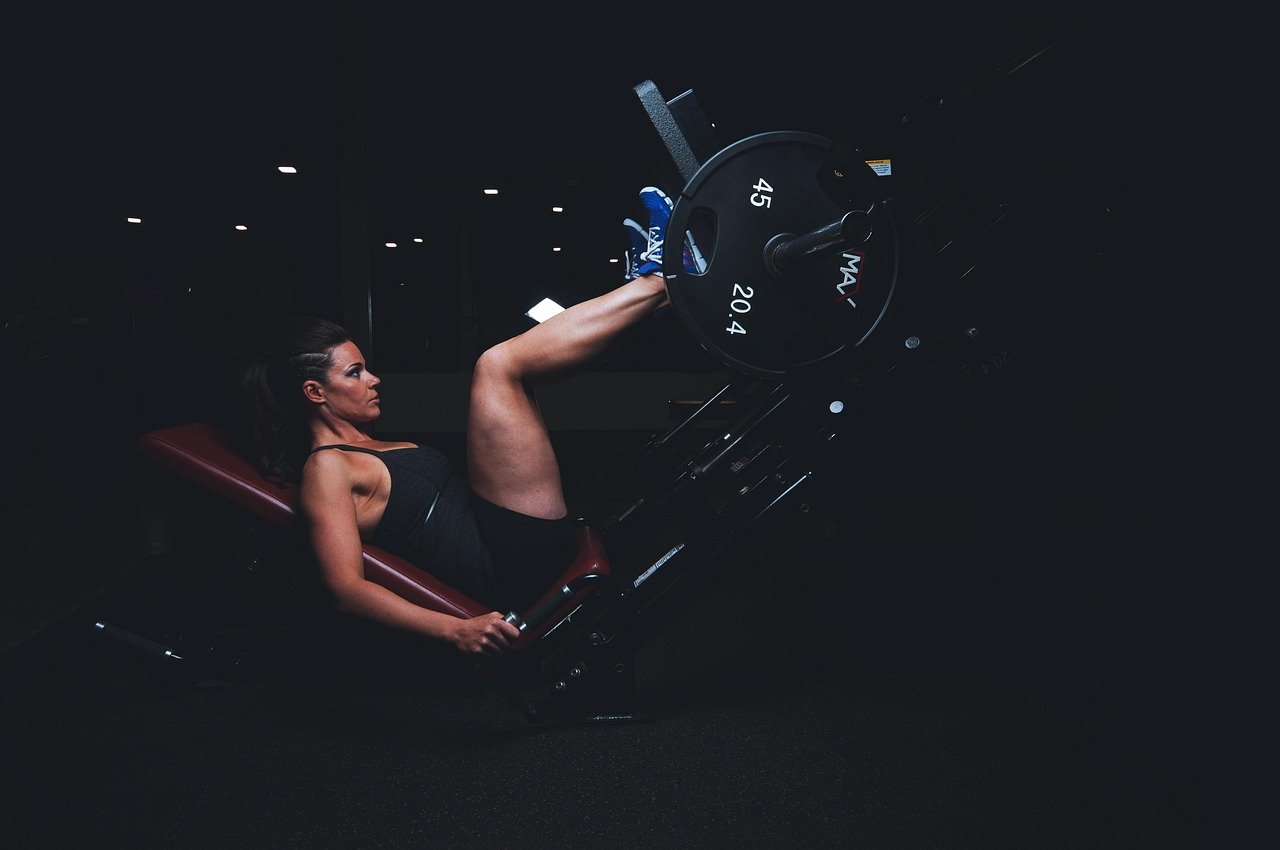
Drinking enough water is essential for maintaining physical performance and preventing dehydration. Even mild dehydration can cause a significant decline in athletic performance.
Risks of Dehydration and Benefits of Proper Hydration
Dehydration can have severe consequences, ranging from mild symptoms like headaches and fatigue to life-threatening conditions such as kidney failure. On the other hand, drinking enough **water for your weight** can have numerous benefits, including improved physical performance, boosted energy levels, and enhanced cognitive function.
A study published in the Journal of the International Society of Sports Nutrition found that even mild dehydration can cause a significant decline in athletic performance. Conversely, proper **hydration** can help regulate body temperature, reduce muscle cramping, and improve overall exercise performance.
ℹ️Key Takeaway
Frequently Asked Questions
What is the recommended daily water intake?
How do I know if I'm drinking enough water?
Can I drink too much water?
Do other fluids, such as tea and coffee, contribute to my daily water intake?
How can I stay hydrated during exercise?
Can dehydration cause long-term health problems?
Conclusion
In conclusion, staying **hydrated** is crucial for maintaining optimal health, and calculating your daily water intake based on your weight is a great starting point. Remember to listen to your body, adjust your hydration levels accordingly, and drink water in moderation. By following these simple tips, you can ensure you're drinking enough **water for your weight** and reap the numerous benefits of proper **hydration**.
So, take the first step towards a healthier you by making **hydration** a priority. Start monitoring your water intake, and don't hesitate to consult with a healthcare professional if you have any concerns. Stay hydrated, and stay healthy!


Relevant Hospitals
Recommendations based on your location and article content. We respect your privacy and don't store personal health information.